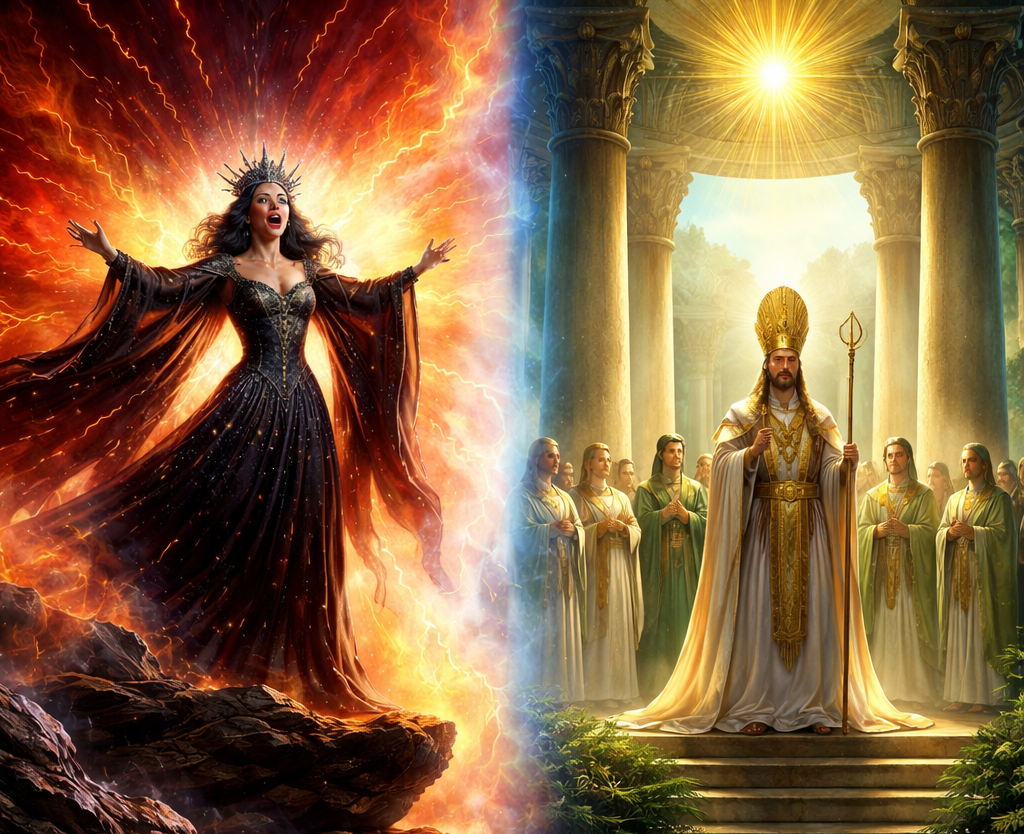
Die Zauberflöte, Mozart’s final opera, blends fairy tale, Enlightenment philosophy, and Masonic allegory. It tells the story of Prince Tamino and his quest to rescue Pamina, aided by a magic flute and the comic birdcatcher Papageno. The opera’s mix of mystical symbolism and popular comedy has made it beloved across generations. Mozart’s music ranges from sublime arias like “Ach, ich fühl’s” to dazzling coloratura and robust ensembles, celebrating both reason and human emotion in equal measure.
- The Origins of The Magic Flute
- The Magic Flute: the Legacy of a Genius
- The Magic Flute for Chamber Orchestra (16-25 players)
- The Magic Flute for Chamber Ensemble (11-12 players)
- The Magic Flute for Smaller Ensemble (7-9 players)
- Order score and parts of The Magic Flute (Mozart)
The Origins of The Magic Flute
Mozart composed Die Zauberflöte in the spring and summer of 1791, during the final months of his life. He collaborated with actor and impresario Emanuel Schikaneder, a fellow Freemason and the director of the suburban Theater auf der Wieden. The libretto, likely co-developed by the two men, drew from various sources—medieval romance, Oriental fantasy, and Masonic ideals. Schikaneder planned the opera as a Singspiel (spoken dialogue interspersed with song), accessible to a wide audience. Mozart was energized by the project. Writing from Vienna, he noted: “I am working very hard on a new German opera… it will be something quite new.”
Mozart composed quickly and joyfully, often attending rehearsals and orchestrating amid his work on La clemenza di Tito and the Requiem. The role of Papageno was written for Schikaneder himself, and Mozart tailored the music to fit his strengths. Much of the opera was crafted in Mozart’s modest apartment in Rauhensteingasse, under financial pressure but artistic freedom. Vienna in 1791 was a city alive with Enlightenment thinking and popular theater. The opera’s themes—truth, brotherhood, and initiation—reflected Masonic values that Mozart cherished, and the score brims with his mature musical language, from solemn chorales to folk-like tunes.
The Magic Flute: the Legacy of a Genius
Die Zauberflöte was an immediate success at its premiere on September 30, 1791. The audience was captivated by the opera’s mixture of spectacle, humor, and high ideals. Mozart conducted the orchestra himself, and Schikaneder played Papageno to great acclaim. Mozart’s sister-in-law Josepha Hofer dazzled as the Queen of the Night, delivering her famous aria “Der Hölle Rache” with thrilling precision. Mozart’s letters express joy at the reception: “I have never seen a more enthusiastic public!” The opera quickly ran for over 100 performances within a few months. Audiences from all social classes embraced it—children adored the magic and animals, while intellectuals admired its philosophical undercurrents.
Though some critics initially dismissed it as lightweight due to its popular format, Die Zauberflöte was soon recognized as a masterpiece. Goethe praised it, attempting an unfinished sequel, and Ludwig van Beethoven remarked, “If I had written The Magic Flute, I would be proud.” After Mozart’s death in December 1791, the opera became even more revered, symbolizing his genius and Masonic ideals. Its universal appeal has never faded—today it remains one of the most frequently performed operas worldwide.
The Magic Flute for Chamber Orchestra (16-25 players)
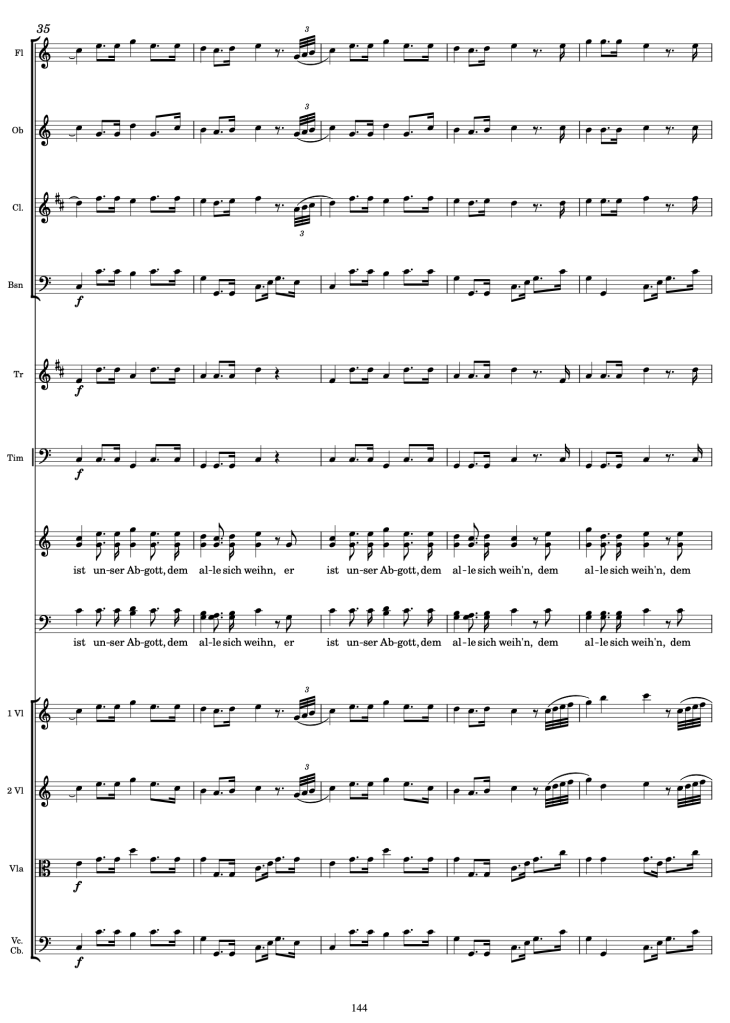
Mozart scored Die Zauberflöte for a Classical orchestra: strings, pairs of flutes, oboes, clarinets, bassoons, horns, trumpets, timpani, and sometimes trombones (notably for the priests’ music), along with spoken dialogue. The full ensemble typically includes around 35–40 players. Because of its Singspiel format and varied vocal demands, it is adaptable for smaller theaters and touring productions. Reduced orchestrations are common and effective, preserving the charm and clarity of Mozart’s luminous score. The Magic Flute for Chamber Orchestra is under preparation and will require:
- Flute with piccolo, oboe, clarinet, bassoon
- (French) Horn, trumpet
- 1 percussionist: timpani & glockenspiel
- String orchestra (9-18 players):
- 3-6 first violins
- 3-6 second violins
- 2-3 violas
- 1-2 cellos
- Optional bass
The Magic Flute for Chamber Ensemble (11-12 players)
With only one player per string part, careful attention must be given to sound balance. Unlike the Chamber Orchestra version, which includes a fuller string section, the reduced string forces can be easily overpowered by winds or percussion. We recommend subtle amplification of the strings where possible, or alternatively, strategic dynamic adjustments—such as reducing wind and percussion volume—to maintain clarity and ensemble blend. The Magic Flute for Chamber Ensemble is under preparation and will require:
- Flute with piccolo, oboe, clarinet, bassoon
- (French) Horn, trumpet
- 1 percussionist: timpani & glockenspiel
- String quartet with optional bass (1.1.1.1.1)
Open12 Edition
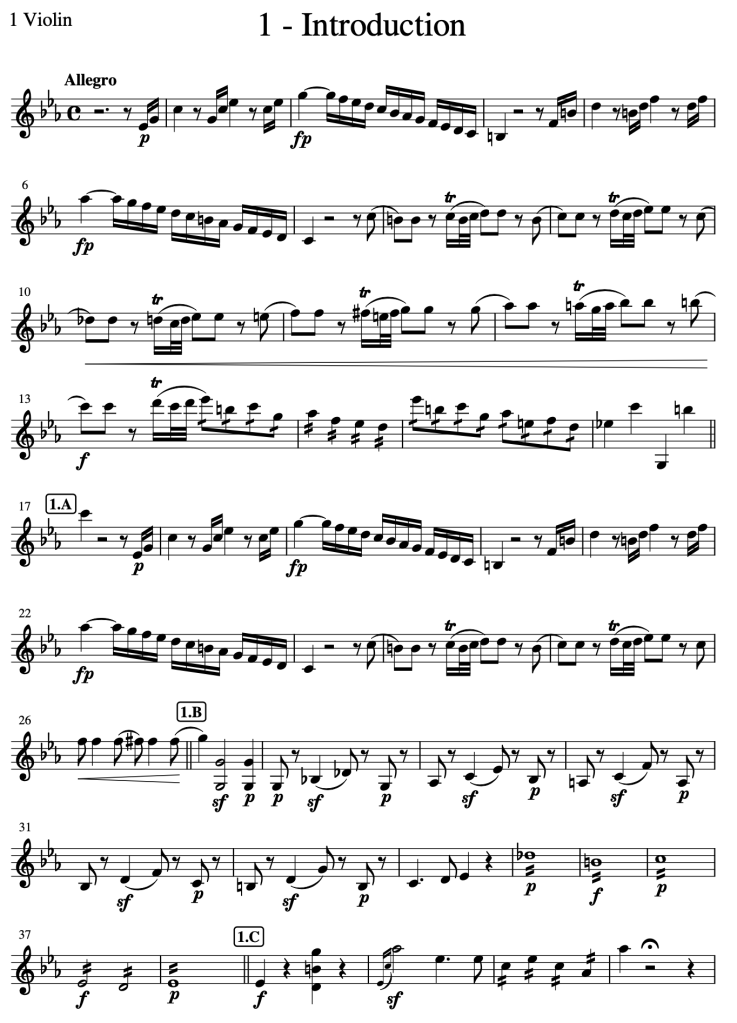
Open12 Editions are similar to the newer Chamber Ensemble versions.. The upgrade includes more options and higher printing standards, including cues in multi-rests and larger fonts. The Open12 Edition of The Magic Flute will remain available until the Chamber Ensemble version is published.



The Magic Flute for Smaller Ensemble (7-9 players)
The Smaller Ensemble version is designed for maximum reduction without compromising musical integrity. It features a string quartet, three woodwinds, and piano. The piano part is not a vocal score, but a fully notated performance part, often playable with one hand, intended for the conductor or a designated player. It reinforces the ensemble in forte and fortissimo sections, ensuring depth and rhythmic clarity. With its balanced orchestration across winds, strings, and keyboard percussion, this version requires no special adjustments and offers a complete and practical solution for venues with limited resources or space. The Magic Flute for Smaller Ensemble is under preparation and will require:
- Flute, oboe, clarinet
- String quartet with optional bass
- Piano or keyboard (conductor)


 Musical Beam