La Traviata, one of Giuseppe Verdi’s most beloved operas, premiered at La Fenice in Venice on March 6, 1853. Based on Alexandre Dumas fils’ novel La Dame aux Camélias, the opera presents a searing portrait of love and sacrifice in Parisian society. With a libretto by Francesco Maria Piave, Verdi created a poignant musical drama exploring the fate of Violetta Valéry, a courtesan whose love transcends social boundaries. Unfolding across intimate scenes, Verdi’s score brims with lyrical beauty and emotional depth, bridging Romantic intensity with social realism. Its humanist core and musical richness continue to captivate audiences worldwide.
- The Origins of Verdi’s Traviata
- Traviata: Fiasco Turned into Masterpiece
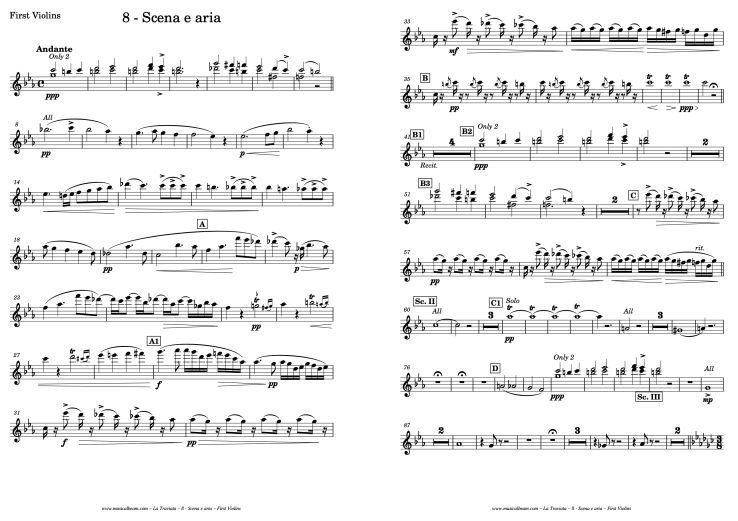
- Traviata for Chamber Orchestra (17-27 players)
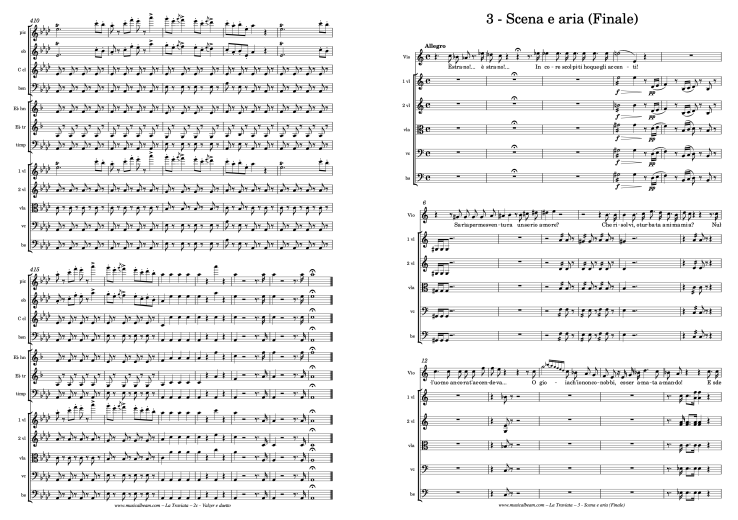
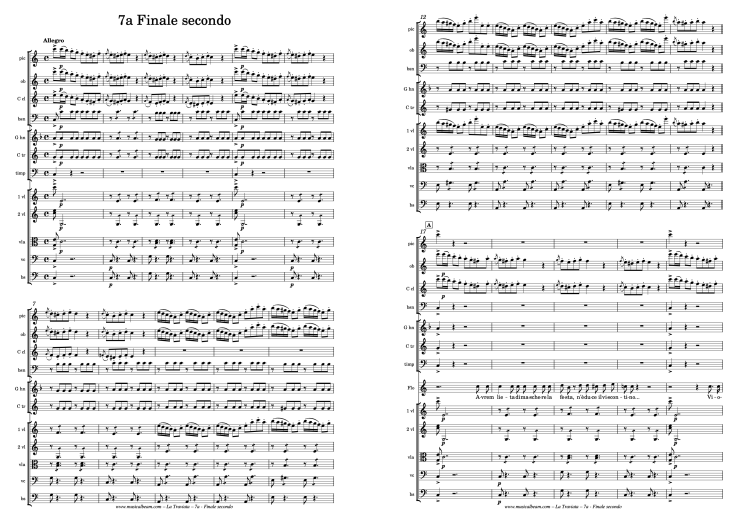
- Traviata for Chamber Ensemble (12-14 players)
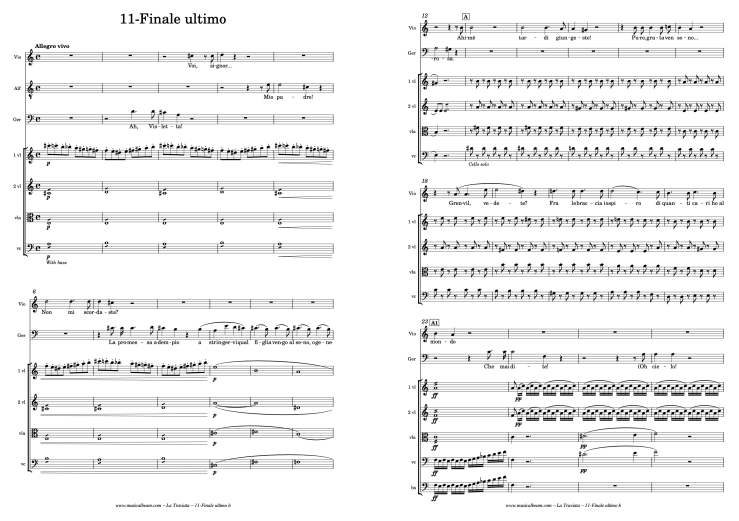
- La Traviata for Smaller Ensemble (7-9 players)
- Order Score & Parts of Traviata (Verdi)
The Origins of Verdi’s Traviata
Verdi composed La Traviata during an extraordinarily productive period while residing at Palazzo Cavalli in Venice, amid work on Il Trovatore. His inspiration stemmed from witnessing a stage version of Dumas’ La Dame aux Camélias in Paris in 1852. Verdi wrote: “I long to write a subject that is contemporary, true to life.” He urged Piave: “Put it into verse, but keep it modern, simple, human.” Venice, a city alive with carnival and opera, provided the ideal milieu for creation.
However, censorship by Venetian authorities forced Piave to set the story in the 1700s, diluting Verdi’s aim of a “story of today.” Despite this setback, Verdi’s passion for the project remained undimmed. His companion, Giuseppina Strepponi, encouraged the endeavor: “You must not lose heart—your music will speak for itself.” Around him, Europe simmered with revolution and social change; Verdi’s own sympathies with Italian unification resonated with Traviata’s themes of freedom and human dignity. The music—sketched rapidly—reflected both Verdi’s urgent creativity and personal empathy for Violetta’s plight.
Traviata: Fiasco Turned into Masterpiece
The premiere of La Traviata on March 6, 1853, was a notorious failure. Verdi admitted bluntly: “La Traviata last night was a fiasco. Was it my fault or the singers’? Time will tell.” The audience jeered soprano Fanny Salvini-Donatelli, considered too old and matronly for the frail Violetta. The realism of the opera also disturbed conservative Venetians unused to such intimate social commentary on stage. Critics dismissed it: “An opera of dubious taste.” Yet Verdi remained confident: “I am certain that in a year’s time, Traviata will triumph.” His words proved prophetic.
In May 1854, a revised production at Teatro San Benedetto with Maria Spezia-Aldighieri was greeted with acclaim. Audiences wept openly at Violetta’s death, moved by the human truth of Verdi’s music. Gradually, La Traviata conquered the stages of Europe, admired for its lyrical invention, dramatic economy, and emotional candor. Richard Wagner, though usually critical of Italian opera, praised Verdi’s “true feeling and noble simplicity.” Today, it is among the most performed operas worldwide, universally recognized as a masterpiece of musical drama.
Traviata for Chamber Orchestra (17-27 players)
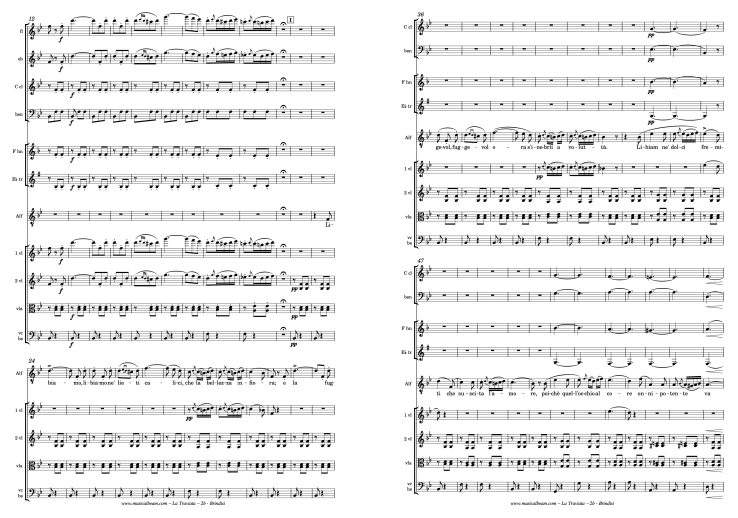
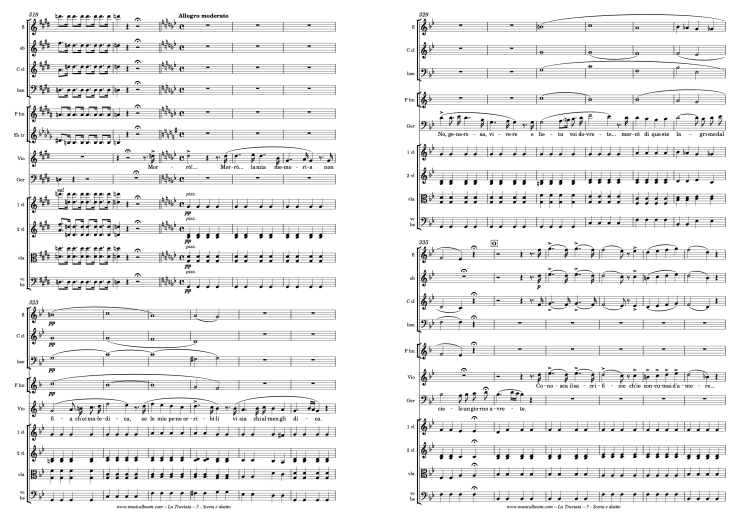
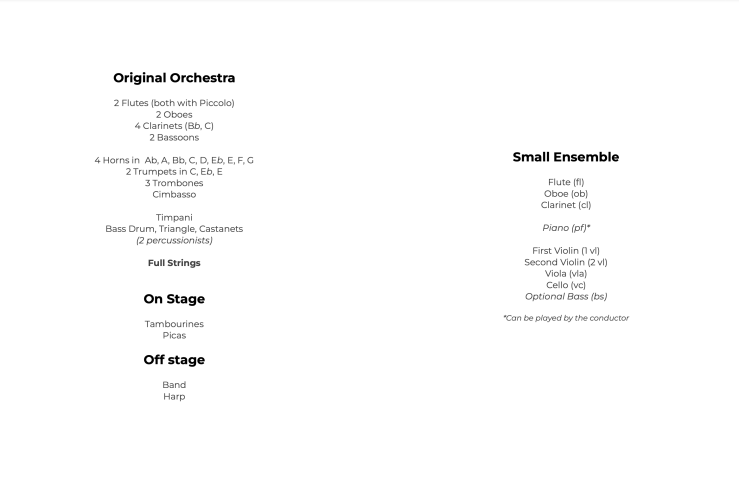
Verdi scored La Traviata for a standard mid-19th century Italian orchestra: strings, pairs of woodwinds, horns, trumpets, trombones, timpani, and harp, with optional onstage banda. The full orchestra is around 45–50 players, but Traviata’s intimate character lends itself to reduced orchestration. Many chamber productions (30 players or fewer) successfully convey the opera’s essence, making it adaptable to smaller venues. Traviata for Chamber Orchestra requires:
- Flute with piccolo, oboe, clarinet, bassoon
- (French) Horn, trumpet
- 1 or 2 percussionists with timpani, bass drum, triangle, castanets
- Optional harp
- String orchestra (10-18 players):
- 3-6 first violins
- 3-6 second violins
- 2-3 violas
- 1-2 cellos
- 1 bass
- Extra: off-stage band (piccolo, oboe, clarinet, bassoon, french horn, trumpet).




Traviata for Chamber Ensemble (12-14 players)
With only one player per string part, careful attention must be given to sound balance. Unlike the Chamber Orchestra version, which includes a fuller string section, the reduced string forces can be easily overpowered by winds or percussion. We recommend subtle amplification of the strings where possible, or alternatively, strategic dynamic adjustments—such as reducing wind and percussion volume—to maintain clarity and ensemble blend. Traviata for Chamber Ensemble requires:
- Flute with piccolo, oboe, clarinet, bassoon
- (French) Horn, trumpet
- 1 or 2 percussionists with timpani, bass drum, triangle, castanets
- Optional harp
- String quintet (1.1.1.1.1)
- Extra: off-stage band (piccolo, oboe, clarinet, bassoon, french horn, trumpet).




La Traviata for Smaller Ensemble (7-9 players)
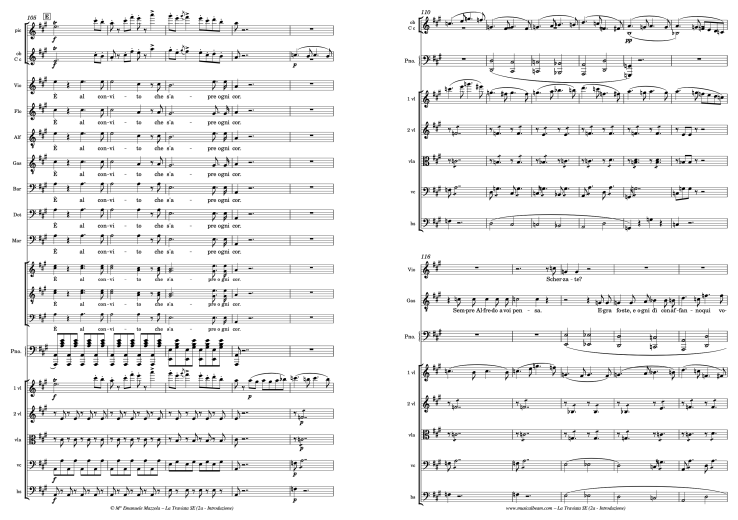
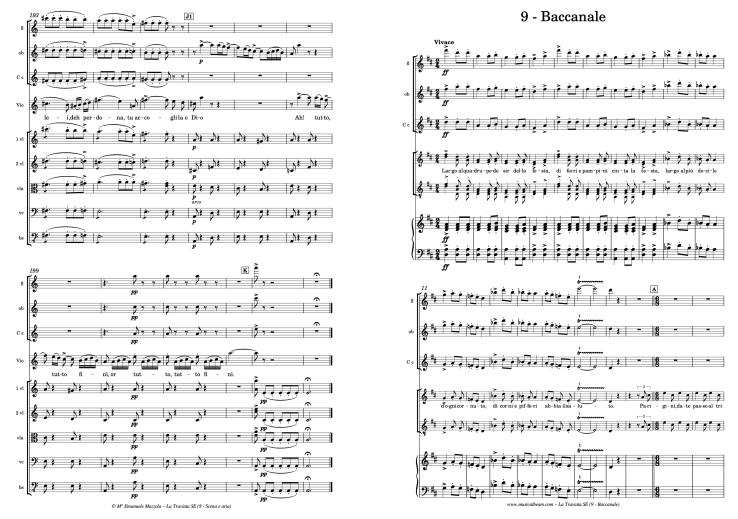
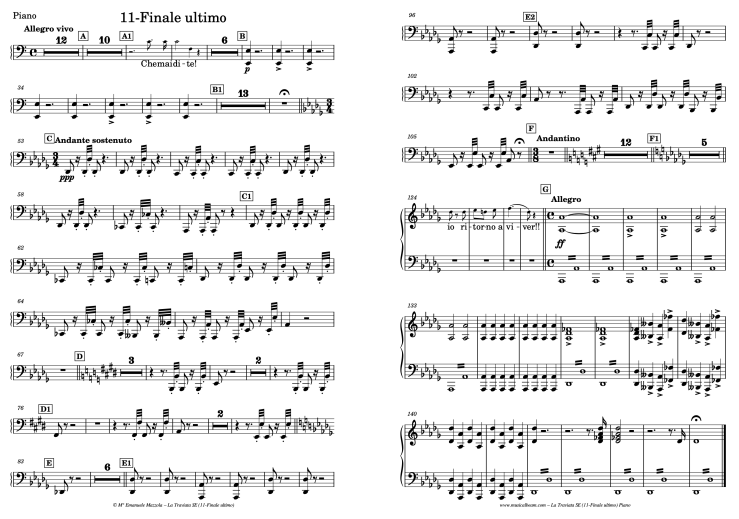
The Smaller Ensemble version is designed for maximum reduction without compromising musical integrity. It features a string quartet, three woodwinds, and piano. The piano part is not a vocal score, but a fully notated performance part, often playable with one hand, intended for the conductor or a designated player. It reinforces the ensemble in forte and fortissimo sections, ensuring depth and rhythmic clarity. With its balanced orchestration across winds, strings, and keyboard percussion, this version requires no special adjustments and offers a complete and practical solution for venues with limited resources or space. Traviata for Smaller Ensemble requires:
- Flute, oboe, clarinet
- String quartet with optional bass
- Piano or keyboard (conductor)






 Musical Beam