Don Giovanni (Mozart)

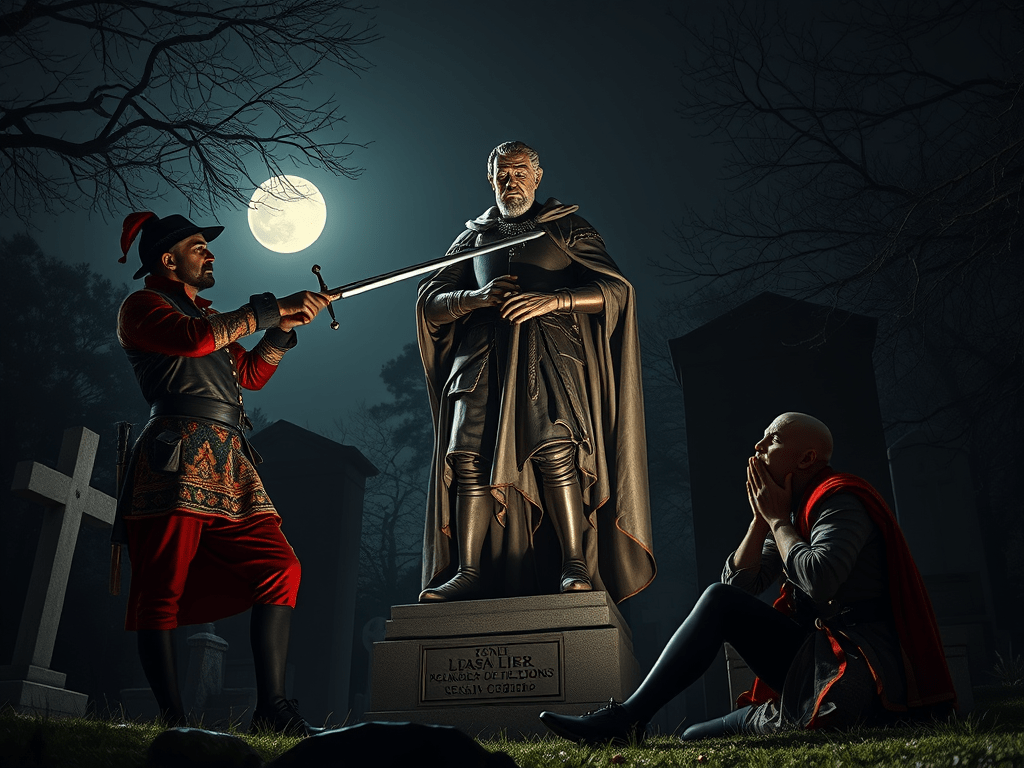
Commissioned after the immense success of The Marriage of Figaro, Don Giovanni tells the tale of a libertine, blending comedy, tragedy, and the supernatural. Mozart composed it during a period of personal and professional triumph, yet also growing financial strain. His intention was to create a “dramma giocoso,” a genre merging humor and moral reckoning,… Continue reading Don Giovanni (Mozart)

Cavalleria Rusticana (Mascagni)

Premiered on May 17, 1890, at the Teatro Costanzi in Rome, Cavalleria Rusticana by Pietro Mascagni marked a turning point in opera history. Based on a short story and play by Giovanni Verga, the opera inaugurated the verismo (realism) movement in Italian opera, portraying raw emotion and everyday life in a Sicilian village. The libretto… Continue reading Cavalleria Rusticana (Mascagni)

Rigoletto (Verdi)

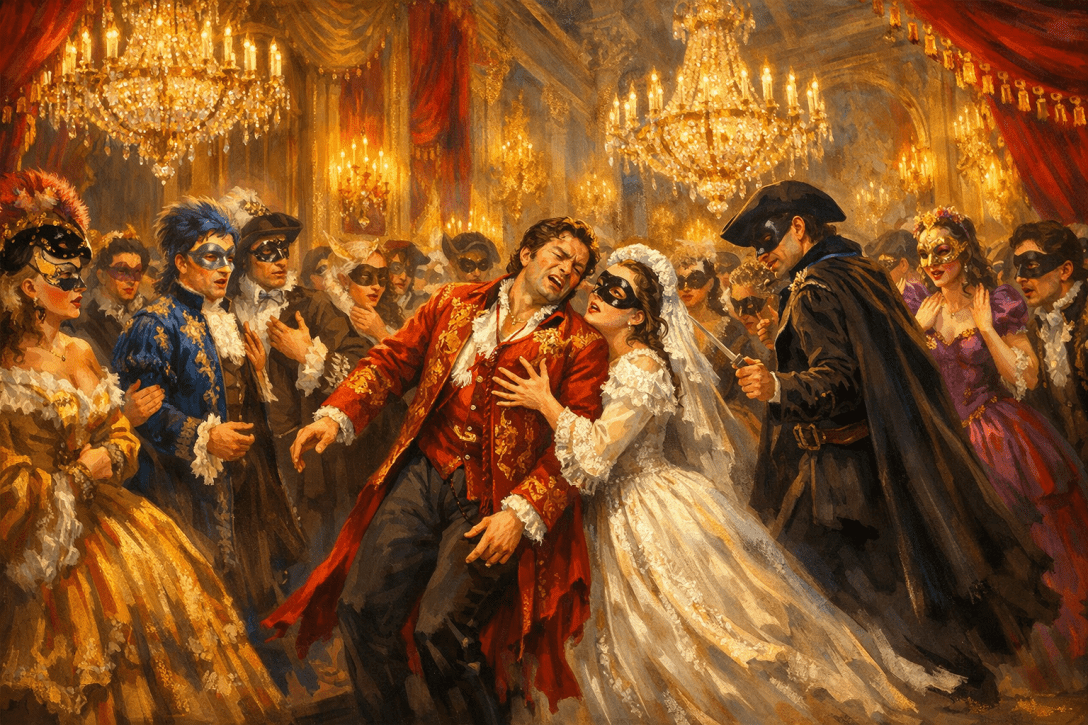
Rigoletto, a cornerstone of Verdi’s middle period, premiered at La Fenice in Venice on March 11, 1851. Based on Victor Hugo’s controversial play Le Roi s’amuse, the opera unfolds around a hunchbacked court jester, his innocent daughter, and a libertine duke. Verdi sculpted a darkly emotional drama of power, vengeance, and doomed love. Its musical… Continue reading Rigoletto (Verdi)

Le nozze di Figaro (Mozart)

The Marriage of Figaro Le Nozze di Figaro premiered on May 1, 1786, at the Burgtheater in Vienna. Based on Pierre Beaumarchais' play La Folle Journée, the opera unfolds over a single day of comic intrigues, mistaken identities, and social subversion within an aristocratic household. Mozart’s music illuminates the characters’ inner lives with extraordinary psychological… Continue reading Le nozze di Figaro (Mozart)

La Bohème by Giacomo Puccini

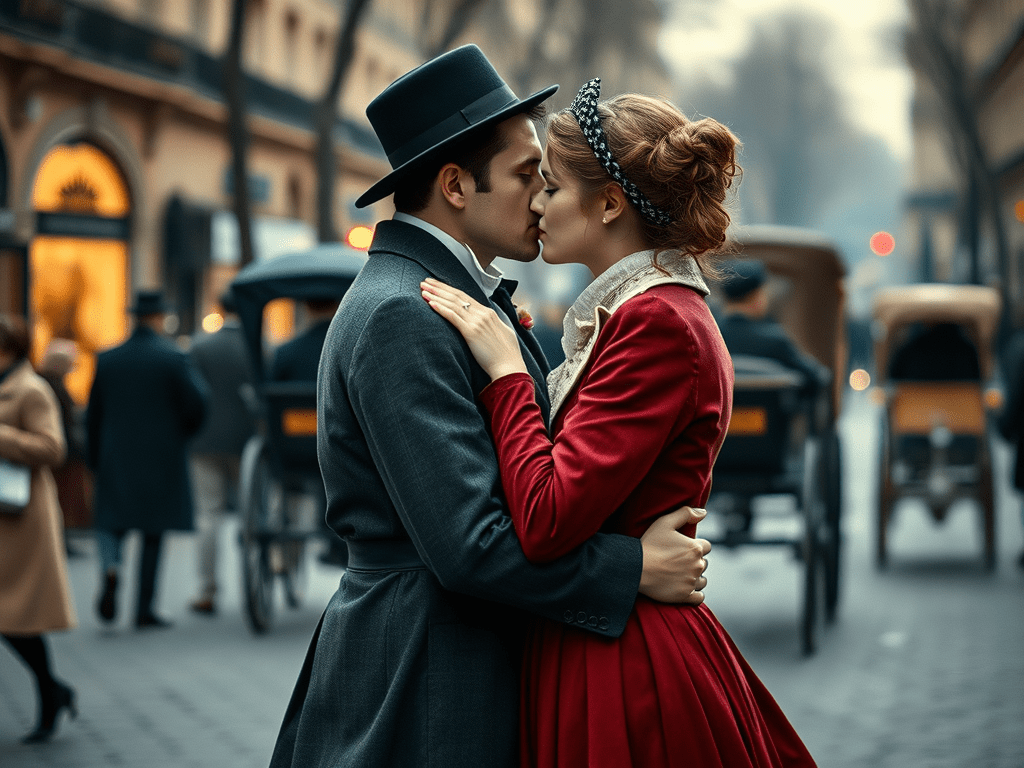
La Bohème, Giacomo Puccini’s masterpiece of youthful love and loss, adapts Henri Murger’s Scènes de la vie de bohème, portraying the bittersweet lives of struggling artists in 1830s Paris. At its heart is the romance between poet Rodolfo and seamstress Mimì, whose delicate love is shadowed by poverty and illness. Puccini’s music, tender and emotionally… Continue reading La Bohème by Giacomo Puccini

Gianni Schicchi by Puccini

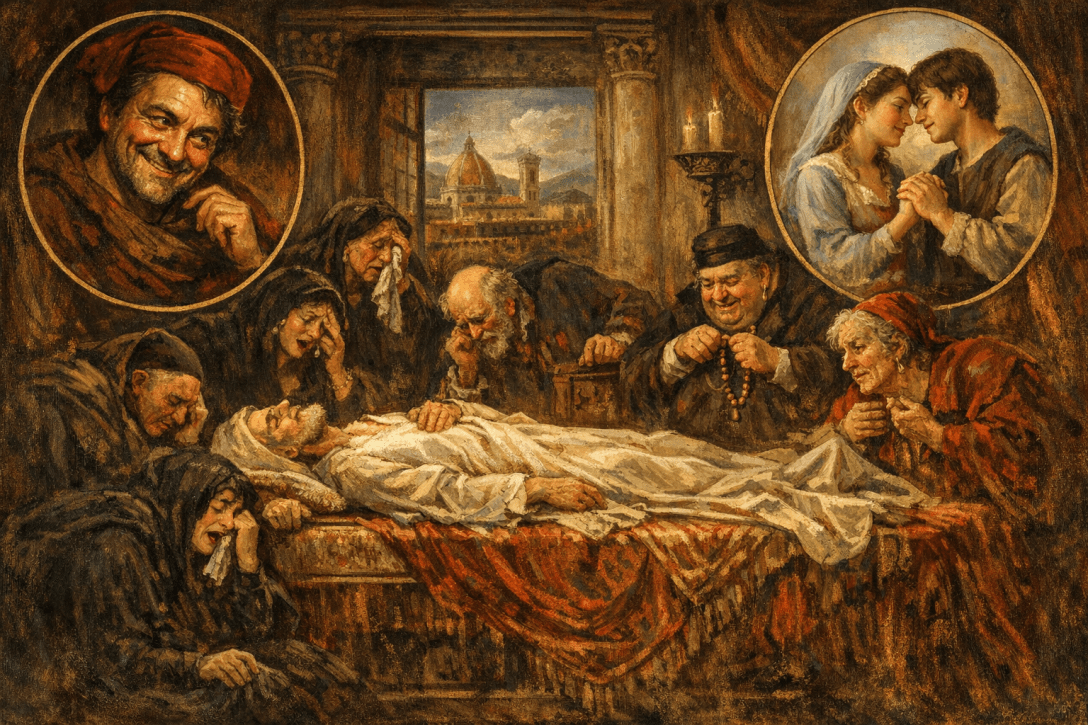
Gianni Schicchi, the only comic opera by Giacomo Puccini, is based on a brief episode from Dante’s Inferno. The opera, written as the final installment of Puccini’s triptych Il Trittico, tells the story of a cunning Florentine commoner who outwits greedy aristocrats to secure a future for his daughter. Despite its brevity—under an hour—Gianni Schicchi… Continue reading Gianni Schicchi by Puccini
The Magic Flute by Mozart

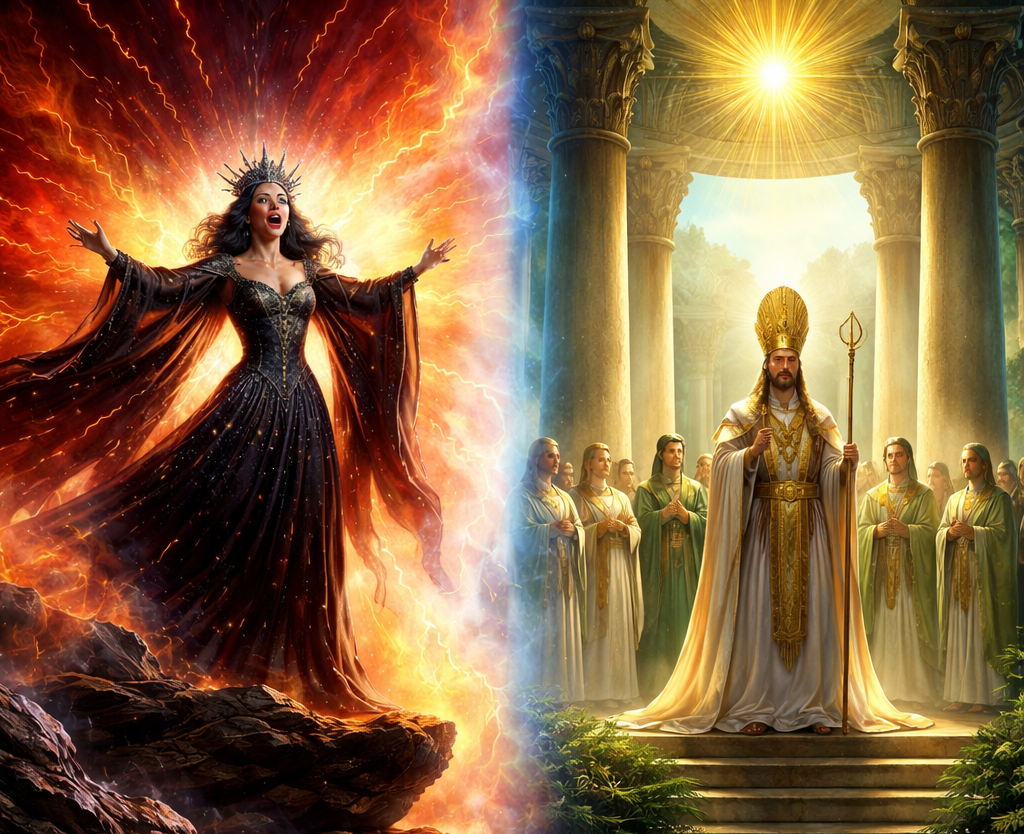
Die Zauberflöte, Mozart’s final opera, blends fairy tale, Enlightenment philosophy, and Masonic allegory. It tells the story of Prince Tamino and his quest to rescue Pamina, aided by a magic flute and the comic birdcatcher Papageno. The opera’s mix of mystical symbolism and popular comedy has made it beloved across generations. Mozart’s music ranges from… Continue reading The Magic Flute by Mozart

Liebeslieder (Brahms)

September 2017 – Publication of Brahms' Liebeslieder for ensemble as OperEnsemble12 (Open 12 Editions). The full versions of Liebeslieder for chamber orchestra and for smaller ensemble are in the pipeline. Open12 Editions This orchestration of Brahms' Love Songs features flute, oboe, clarinet, bassoon, horn, string quintet. No trumpet and no percussion instruments are needed. Do… Continue reading Liebeslieder (Brahms)

Symphony n.9 – 4th movement

Last UpdateOpen12 EditionsOrder Form Last Update June 2017 – Beethoven's 9th symphony for chamber ensemble is published under the OperEnsemble12 brand. At the moment, only the 4th movement of Beethoven's 9th for 12 players is available, released as Open12 Editions. The full versions for chamber orchestra and for smaller ensemble are in the pipeline. Open12… Continue reading Symphony n.9 – 4th movement